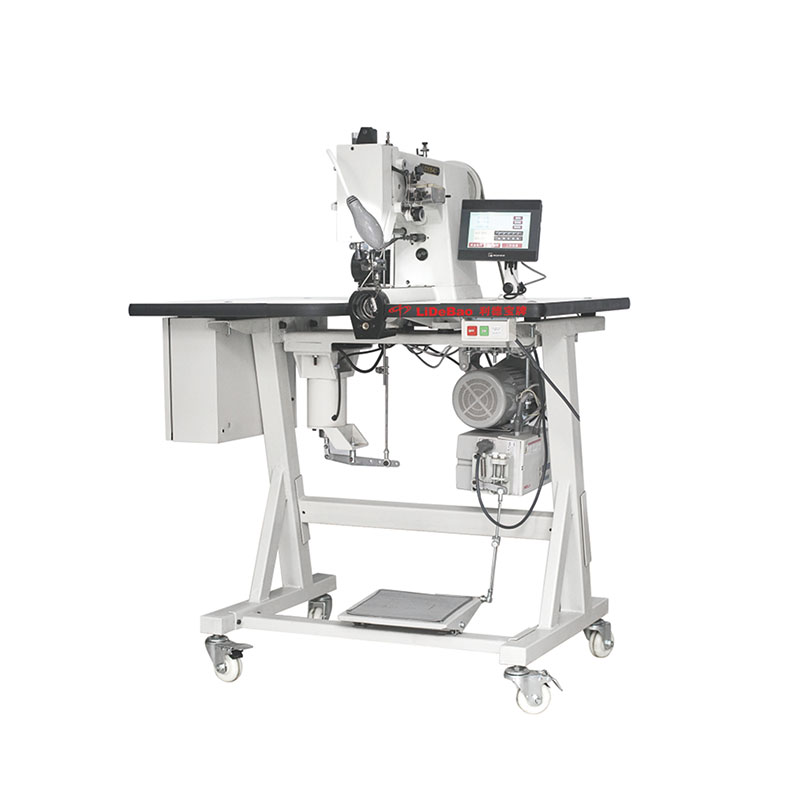
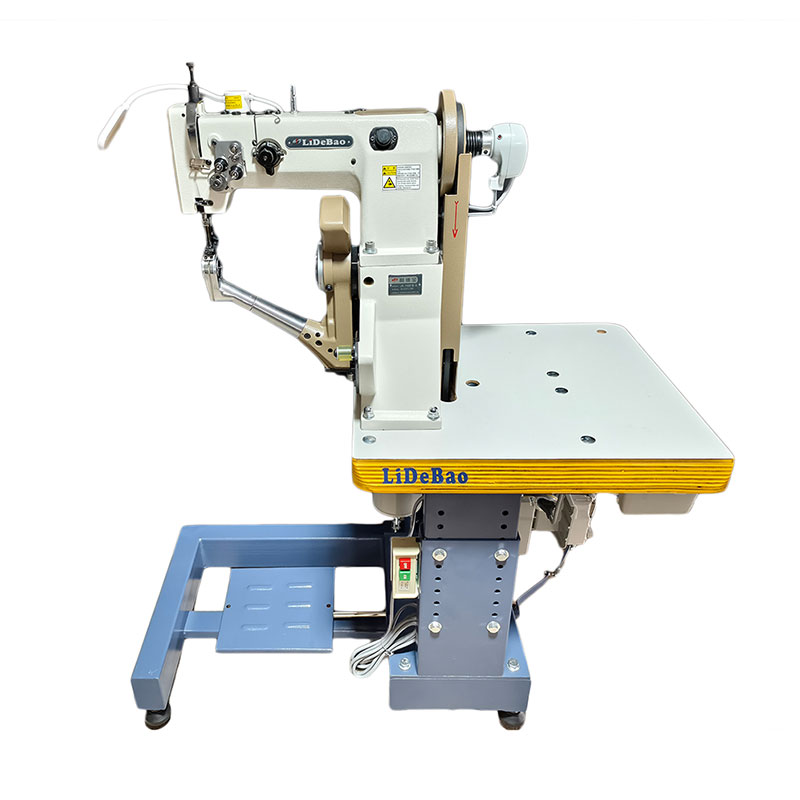
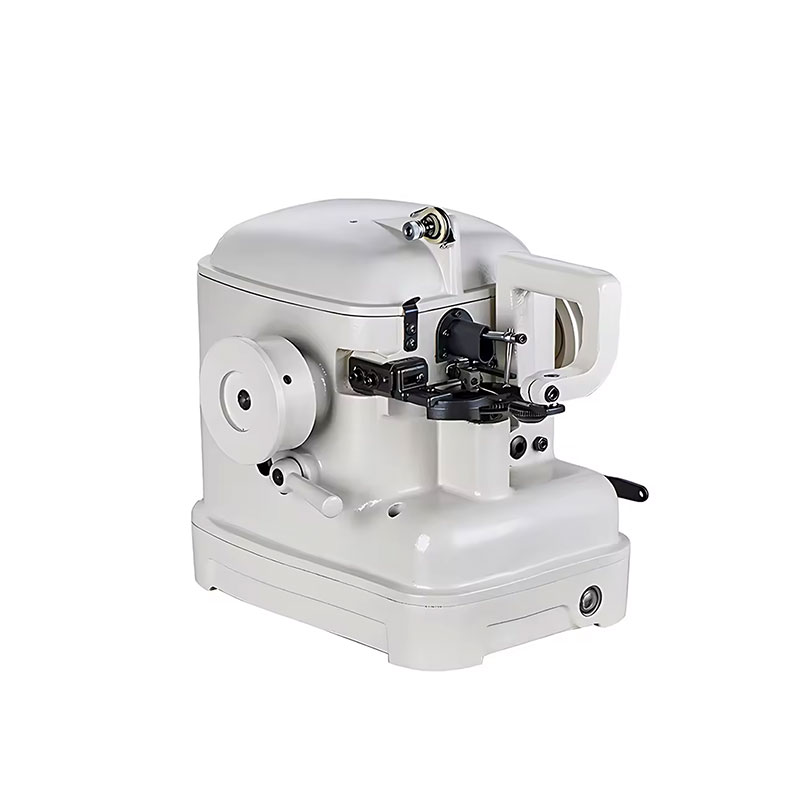
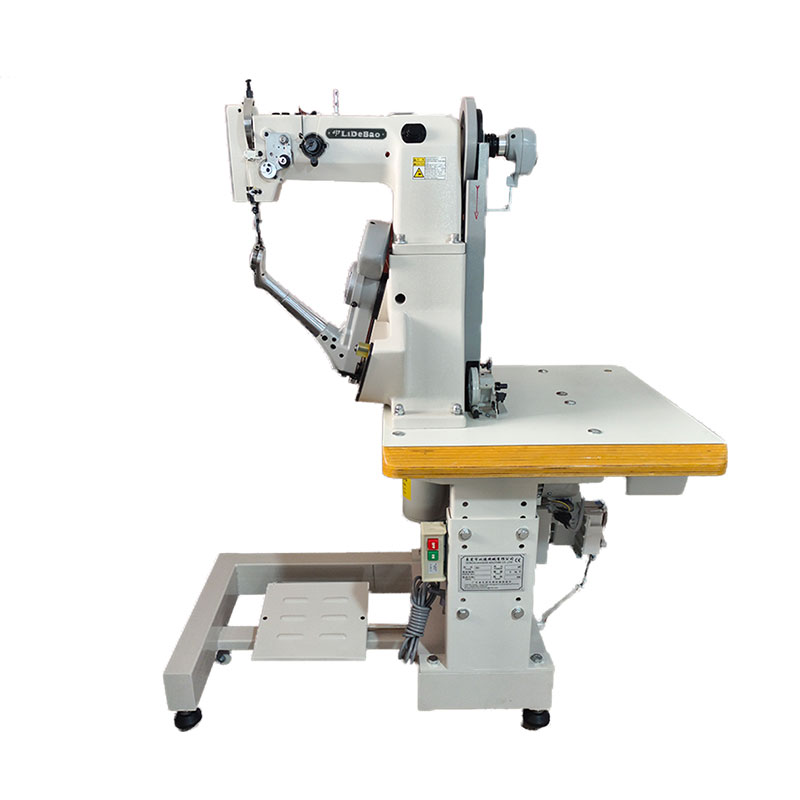
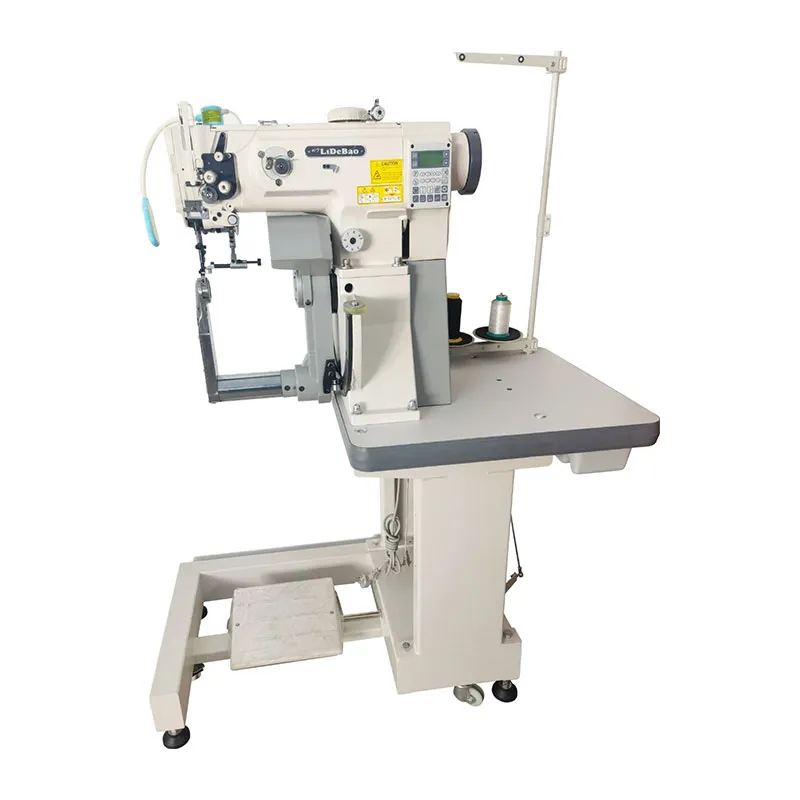
The furniture manufacturing industry is continuously developing as manufacturers seek better stitching quality, stronger material adaptability, and more efficient production processes. A Sofa Sewing Machine provides specialized support for upholstery production where thick fabrics, leather, synthetic materials, and multi-layer structures require accurate and stable sewing performance. With improvements in mechanical design and manufacturing technology, specialized sewing equipment has become an important part of modern furniture production.
Sofas are complex products that combine different materials, including covers, cushions, decorative sections, and reinforced areas. Each component may require different sewing methods to achieve the expected appearance and durability. Professional sewing equipment helps manufacturers handle these requirements while maintaining consistent seam quality throughout the production process.
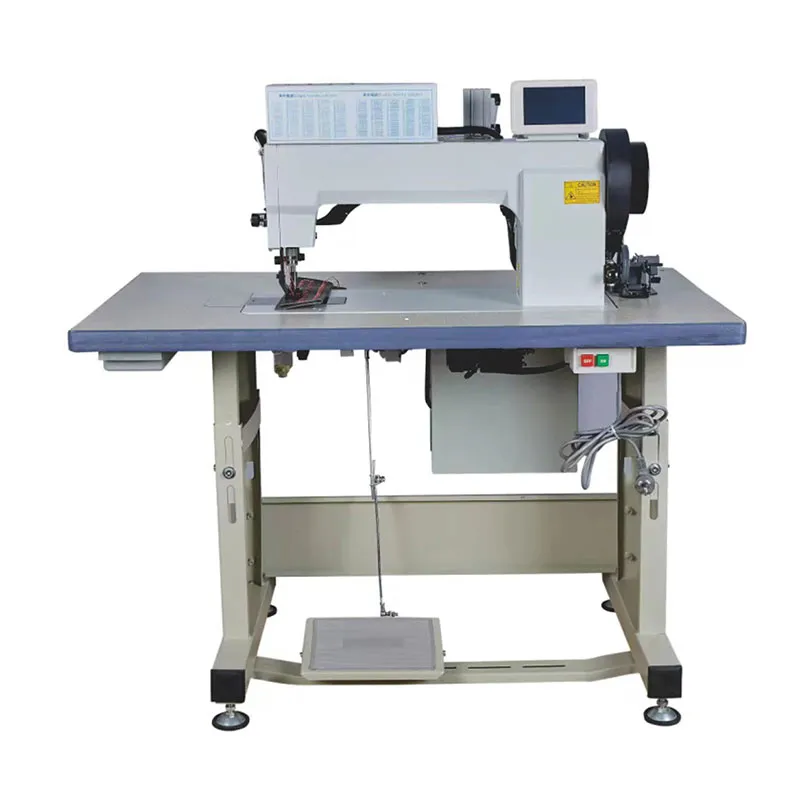
The development of the furniture industry has increased the need for reliable sewing solutions. Traditional manual sewing methods may face challenges when dealing with thick materials, complicated structures, and continuous production requirements. Specialized machinery helps improve operational stability while reducing difficulties caused by demanding sewing conditions.
Modern upholstery manufacturers focus on balancing appearance, comfort, and durability. The quality of stitching directly affects how a sofa looks and performs during daily use. Stable sewing processes can help maintain clean seam lines, secure material connections, and consistent product quality across different furniture styles.
Sofa production involves multiple stages, from material preparation and cutting to assembly and final inspection. Sewing is a critical step because it connects different sections of the upholstery structure. Uneven stitching, improper material handling, or unstable machine performance may influence the final appearance and durability of the finished product.
Compared with lightweight textile applications, upholstery materials often require stronger mechanical support. Leather, thick fabrics, foam-backed materials, and layered structures can create additional demands during sewing operations. Manufacturers therefore need equipment designed to provide reliable performance under these conditions.
High-quality furniture production depends on several factors working together. The machine structure, sewing control, material compatibility, thread selection, and operator experience all influence the final result. A suitable sewing system should provide enough flexibility to handle different upholstery requirements while maintaining stable operation.
| Manufacturing Factor | Production Impact |
|---|---|
| Material adaptability | Supports sewing performance across different upholstery materials |
| Stitch consistency | Helps create uniform and reliable seam structures |
| Mechanical durability | Provides stable operation during continuous production |
| Operational flexibility | Allows adjustment for different furniture designs |
| Maintenance management | Helps maintain long-term equipment performance |
Furniture manufacturers often work with a wide variety of materials. Natural leather, artificial leather, woven fabrics, and composite textiles may have different thicknesses, surface characteristics, and flexibility. These differences require appropriate sewing methods and equipment settings.
Specialized sewing machinery helps production teams manage these material variations more effectively. Stable material feeding and accurate needle movement contribute to smoother sewing operations. Proper adjustment according to material characteristics is essential for achieving reliable results.
The stitching structure of upholstered furniture has both functional and visual importance. Strong seams help maintain the connection between different components, while neat stitching improves the overall appearance of the finished product. Manufacturers must consider both aspects during the sewing process.
Professional equipment supports consistent seam formation, which is particularly important for furniture products where consumers expect long service life and refined appearance. Reliable sewing performance can become an important factor in maintaining manufacturing standards.
The advancement of industrial sewing technology has changed how furniture manufacturers approach production. Equipment developers continue to improve machine structures, control systems, and application-specific functions to meet the changing needs of upholstery manufacturing.
The focus of modern machinery development is not only improving production capability but also creating solutions that are easier to operate, maintain, and adapt. Manufacturers increasingly require equipment that can support different product designs without sacrificing stability.
Furniture designs continue to become more diverse, with manufacturers producing sofas in various shapes, materials, and styles. This diversity creates challenges for production equipment because different products may require different sewing approaches.
Flexible machinery solutions allow manufacturers to adjust production processes according to specific product requirements. This adaptability is valuable for companies producing multiple furniture categories or frequently changing product designs.
The ability to maintain consistent quality while supporting different applications has become an important consideration in equipment development. Machinery suppliers with strong technical experience can better understand these production challenges and provide suitable solutions.
Sewing equipment plays an important role in various upholstered furniture applications. Beyond sofas, similar sewing requirements can be found in chairs, automotive interiors, cushions, and other products that use layered materials and decorative stitching.
Different applications require different sewing approaches. Large upholstery sections may require stable material handling, while decorative areas may require greater precision and control. Professional machinery helps manufacturers manage these differences within their production environment.
Leather furniture often requires careful handling because leather surfaces can show visible marks from improper sewing operations. Accurate stitching and appropriate machine adjustment help maintain the appearance of premium furniture products.
Fabric upholstery also presents unique requirements. Different textile structures may respond differently during sewing, requiring suitable handling methods to achieve clean and durable seams. Equipment designed for upholstery applications can provide better support for these production conditions.
The experience gained from furniture sewing applications can also support other industries using similar materials and sewing methods. Automotive interiors, decorative panels, and specialty upholstery products often require careful stitching control and strong material connections.
Manufacturers serving these industries benefit from equipment that can provide stable performance across different material combinations. Practical engineering experience is therefore an important advantage when developing specialized sewing machinery.
Sewing machinery development requires a strong understanding of both mechanical technology and practical production requirements. Equipment manufacturers need to consider real manufacturing environments when designing machines that can deliver reliable performance.
Continuous research and development helps companies improve machine structures, expand application capabilities, and respond to new industry requirements. Experience accumulated from different sewing applications provides valuable knowledge for future product improvements.
Effective innovation comes from understanding actual production challenges. Furniture manufacturers often face issues related to material diversity, product complexity, and quality consistency. Machinery suppliers that study these requirements can develop more practical equipment solutions.
Independent development capabilities also allow manufacturers to improve their products based on market changes. Through continuous technical exploration, companies can provide equipment that better matches modern manufacturing environments.
Selecting appropriate sewing equipment requires careful consideration of product characteristics and production conditions. Manufacturers should evaluate the materials they use, the structure of their products, workflow requirements, and expected operating conditions before choosing machinery.
A suitable machine should match the actual application rather than only focusing on general specifications. Different furniture products may require different levels of sewing control, material support, and operational flexibility.
| Selection Consideration | Manufacturing Value |
|---|---|
| Product structure | Determines suitable sewing methods and equipment requirements |
| Material combination | Influences machine adjustment and sewing performance |
| Production workflow | Ensures equipment integrates effectively with manufacturing processes |
| Technical support | Helps maintain stable operation and improve application results |
Efficient production depends on the coordination between equipment, operators, materials, and workflow management. Machinery alone cannot determine manufacturing quality, but reliable equipment provides a strong foundation for consistent production.
When equipment matches production requirements, manufacturers can reduce unnecessary adjustments and improve process stability. This helps create a more organized manufacturing environment while supporting continuous improvement.
The furniture industry will continue to develop as consumer preferences, material choices, and design trends change. Manufacturers will require sewing solutions that can adapt to more diverse products while maintaining dependable performance.
Future equipment development is expected to focus on improving flexibility, operational convenience, and application compatibility. The combination of technical innovation and practical manufacturing experience will remain essential for advancing industrial sewing solutions.
Wenzhou Lidebao Machinery Equipment Co., Ltd. has built its expertise through years of research and development in specialized sewing machinery. Founded by Mr. Xu Xiaobing, the company started with hand stitch sewing machines and gradually expanded its technical scope to include buttonhole sewing machines, pocket welting machines, side seam machines, wool sewing machines, heavy-duty sewing machines, and pattern sewing machines.
Through continuous innovation, Lidebao has developed strong capabilities in producing sewing equipment for shoes, leather products, sofas, automotive interiors, and other specialized applications. The company combines practical manufacturing experience with independent research capabilities to provide reliable machinery solutions for different industries.
Located in Wenzhou, Zhejiang, an area known for leather and footwear manufacturing, Lidebao benefits from a strong industrial environment and practical application experience. The company continues to improve its products by understanding the requirements of manufacturers and developing equipment suited to real production conditions.
With a long-term focus on specialized sewing technology, Wenzhou Lidebao Machinery Equipment Co., Ltd. continues to support furniture and related industries with dependable equipment solutions. Through professional manufacturing experience, technical innovation, and commitment to product quality, Lidebao aims to contribute to more efficient and stable sewing processes worldwide.
-